Simple Actions That Keep Your Septic System Working Safely and Smoothly
Proper septic tank maintenance means sticking to regular pumping, watching what goes down your drains, and checking for early warning signs. When you follow simple routine steps, your system runs better and lasts longer. Skipping basic care can lead to backups, bad smells, and costly damage. A little prevention goes a long way.
Why Prevention Matters
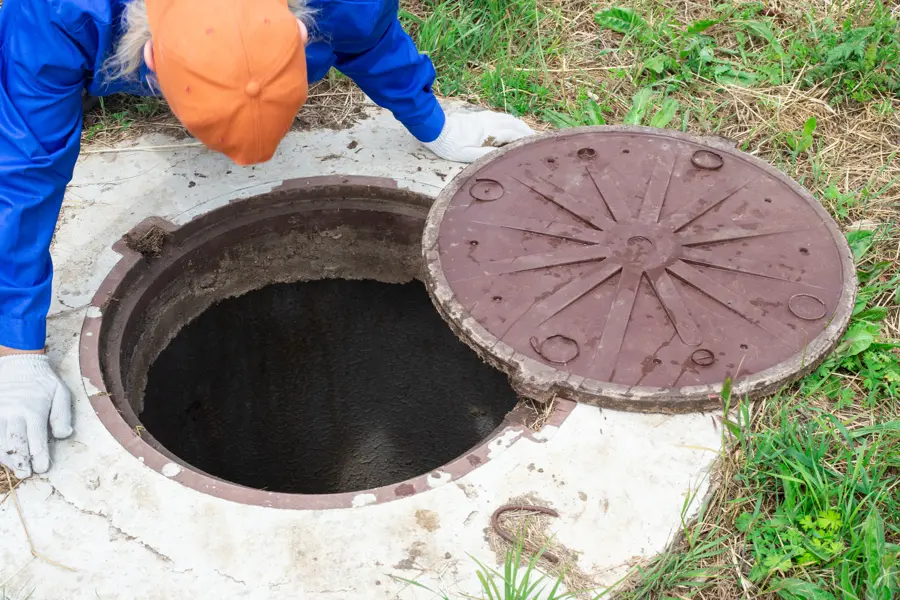
Your septic system works every day. It handles wastewater from sinks, toilets, showers, and laundry. Over time, solid waste builds up inside the tank. If the tank gets too full, waste can move into the drain field. That can clog pipes and damage your yard.
Regular septic tank maintenance helps avoid messy surprises. It protects your home, your property, and your health. Repairs are often much more expensive than routine service visits.
Early Warning Signs
Small issues often show up before a major problem starts. Paying attention to these signs can save you trouble.
- Slow drains in sinks or tubs
- Gurgling sounds in pipes
- Sewage smells inside or outside
- Wet or soggy spots in your yard
- Grass growing faster above the tank
If you notice one or more of these issues, your septic system may need attention. Ignoring them can make the problem worse.
Seasonal or Routine Checklist
Having a simple plan makes septic tank maintenance easier. Most homeowners benefit from following a schedule like this:
- Schedule pumping every 3 to 5 years, depending on tank size and household use.
- Have the tank inspected during each pumping visit.
- Keep a record of service dates and any repairs.
- Check for leaks in toilets and faucets twice a year.
- Walk your yard and look for soft spots or odors every season.
Homes with larger families may need pumping more often. A licensed septic service provider can give guidance based on your system size and usage.
Best Practices for Long-Term Results
What you put into your system matters. Your septic tank is not a trash can. Being careful with daily habits will support better septic tank maintenance.
Only flush toilet paper and human waste. Avoid flushing wipes, even if they say flushable. Do not pour grease, oil, or food scraps down the sink. These items can clog pipes and fill the tank faster.
Water use also plays a big role. Spread out laundry loads during the week. Fix dripping faucets right away. Too much water at once can stir up solids in the tank and push them toward the drain field.
Protect the drain field area. Do not park cars or place heavy items on top of it. Keep large trees away, since roots can break pipes underground.
Good septic tank maintenance also includes choosing safe cleaning products. Mild, septic-safe cleaners are best. Harsh chemicals can harm the helpful bacteria inside your tank.
What Not to Do
Some common mistakes shorten the life of septic systems. Avoid these habits:
- Skipping regular pumping
- Using too many antibacterial products
- Installing garbage disposals without checking tank size
- Covering the tank area with concrete or decking
- Trying to fix major problems without training
Quick fixes from store shelves rarely solve bigger septic issues. Additives are not a replacement for proper septic tank maintenance. Professional inspections are still needed.
When to Schedule Professional Help
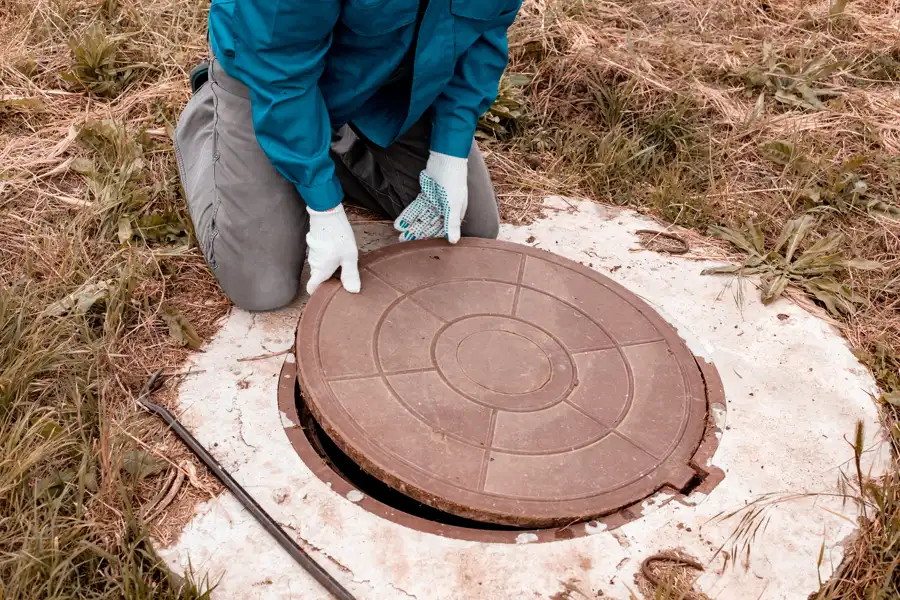
Routine pumping and inspection should always be handled by trained experts. They have the right tools and safety equipment. They can also spot cracks, leaks, or worn parts early.
If sewage backs up into your home, call for help right away. If your yard smells like sewage or stays wet for days, schedule a service visit. These problems can affect nearby water sources and create health risks.
Working with a trusted septic service provider makes ongoing septic tank maintenance much easier. Consistent care keeps your household running smoothly and helps avoid sudden system failure.
Get Trusted Help for Your Septic System
I provide septic tank maintenance for homeowners across Tyler, TX. At Marco Septic Service, I focus on honest advice and reliable service, and I take time to explain what your system needs and why. If your tank is due for pumping or you have noticed warning signs, call me at (903) 920-4513 to schedule an appointment and keep your system working the way it should.