
Why the Dirt Under Your Yard Can Change the Fix
Soil type plays a big role in how and why septic systems fail. Clay, sand, silt, and rocky ground all drain water in different ways. That changes how waste moves through your drain field and what kind of septic system repair is needed. In some cases, the soil slows everything down. In others, it lets waste pass too quickly. Knowing your soil helps you understand the problem and choose the right fix.
Common Signs Something Is Wrong
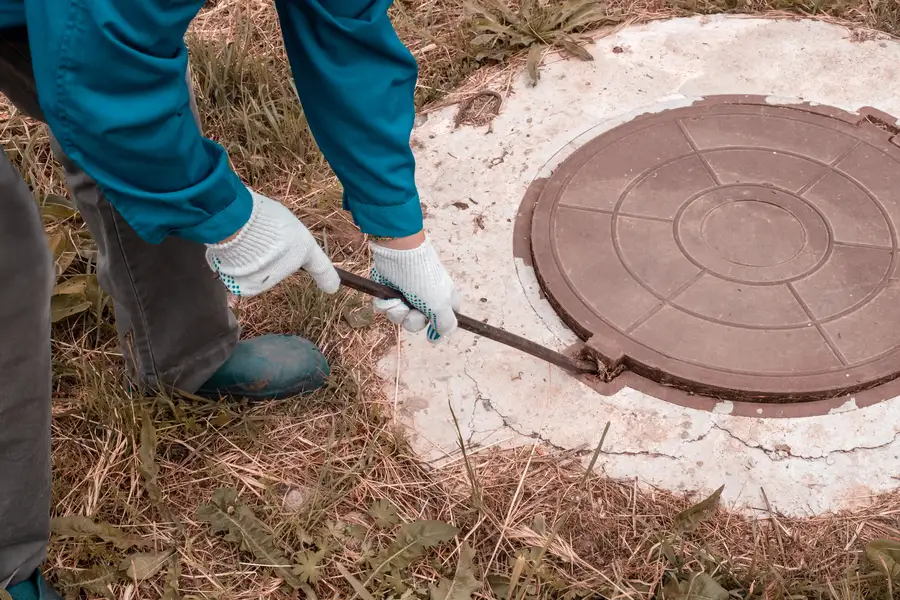
When soil does not drain the way it should, your system shows clear warning signs. You might notice:
- Slow drains in sinks and tubs
- Bad smells in the yard
- Wet or soggy spots above the drain field
- Toilets that gurgle or back up
- Grass that grows faster in one area
These problems often lead homeowners to call for septic system repair. But the soil under the lawn may be the real reason the issue keeps coming back.
How Different Soil Types Cause Problems
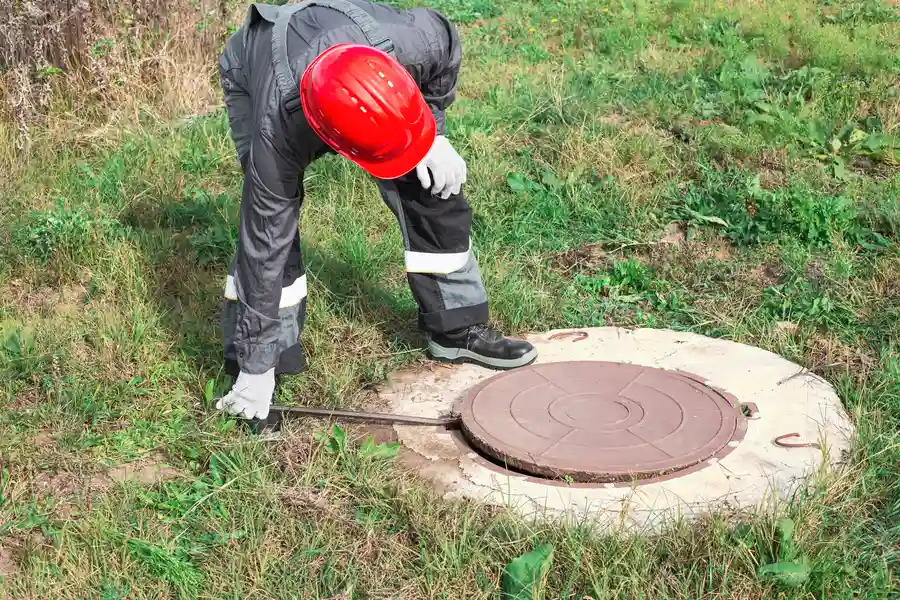
Each soil type handles wastewater in its own way. Here is how the most common types affect your system:
- Clay soil: Clay holds water. It drains very slowly. This can cause pooling and system backups.
- Sandy soil: Sand drains fast. Waste may move too quickly and not get filtered well.
- Silty soil: Silt is smooth and fine. It can compact over time and block proper flow.
- Rocky soil: Rocks create gaps. Wastewater may move unevenly or collect in low spots.
If your drain field sits in heavy clay, repairs may involve adding new lines or improving drainage. In sandy yards, the fix may focus on better filtration or system design changes. Soil tests often guide the right septic system repair plan.
What to Check First
Before digging up your yard, start with simple checks. Look at recent weather. Heavy rain can oversaturate clay soil and mimic system failure. Think about water use in your home. Extra laundry loads or long showers add stress to slow-draining soil.
You can also check for compaction. Driving or parking over the drain field presses soil down. This blocks airflow and water movement. Even healthy soil can fail when compacted.
If problems continue in dry weather with normal water use, the soil may not be handling waste properly anymore. That is when a deeper inspection is needed.
Safe Fixes Versus Professional Repairs
Some small steps are safe for homeowners. Others require trained help.
Safe steps you can take:
- Reduce water use for a few days
- Redirect roof drains away from the field
- Avoid driving over the system
- Schedule regular tank pumping
These actions lower stress on the soil.
Repairs that need a professional:
- Replacing damaged drain lines
- Adjusting the layout of the drain field
- Adding drainage solutions for clay-heavy ground
- Repairing root-damaged pipes
A proper septic system repair may involve digging, testing soil layers, or even redesigning part of the system. That work falls under the larger category of services that require skill and equipment. Guessing can make the problem worse and cost more later.
How to Prevent Soil-Related Failures
You cannot change your soil type, but you can manage it wisely. Follow these simple tips:
- Space out laundry loads during the week.
- Keep trees with deep roots away from the drain field.
- Install water-saving fixtures inside your home.
- Have the tank inspected on a regular schedule.
- Keep heavy equipment off the yard area above the system.
Routine care lowers the need for major septic system repair down the road. Healthy soil needs airflow and time to absorb water. Overloading it too often leads to failure.
When It Is Time to Get Expert Help
If you see ongoing pooling water, strong odors, or sewage backing up into your home, do not wait. These signs point to deeper soil or drain field trouble. A trained inspection can test how well the soil absorbs water and check for blockages underground. Acting early may allow a targeted septic system repair instead of a full system replacement.
Get Help With Soil-Related Septic Issues
If you are dealing with yard flooding or repeat backups in Tyler, TX, I can inspect your system and explain what the soil is doing to your drain field. At Marco Septic Service, I focus on honest answers and practical septic system repair solutions that fit your property. Call (903) 920-4513 to speak with me directly and schedule a check of your system before the problem grows.