
The Ground Under Your Home Can Make or Break Your System
Soil plays a huge role in how a septic system works and how it gets installed. The type of soil on your property affects drainage, system size, layout, and even long-term performance. If the soil drains too fast or too slow, septic system installation must be adjusted to fit those conditions. Before any digging starts, the soil must be tested to see what kind of system will work best.
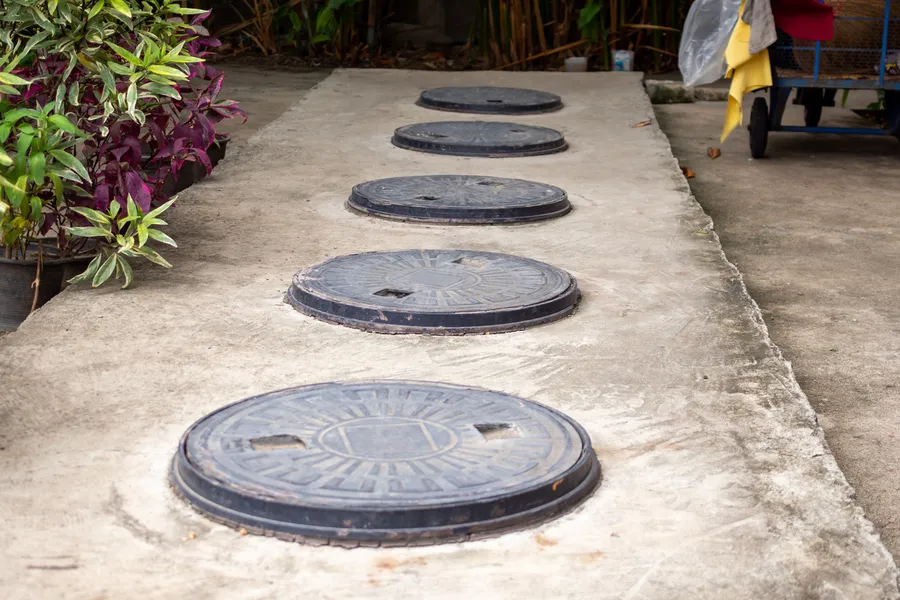
Why Soil Testing Comes First
Before starting septic system installation, the first step is a soil test. This is often called a perc test. It measures how fast water moves through the ground. The results help decide:
- What type of drain field is needed
- How deep the trenches should be
- How large the system must be
- If special materials are required
Without this step, you risk putting in a system that fails early. Poor drainage can cause backups, bad smells, and soggy spots in your yard.
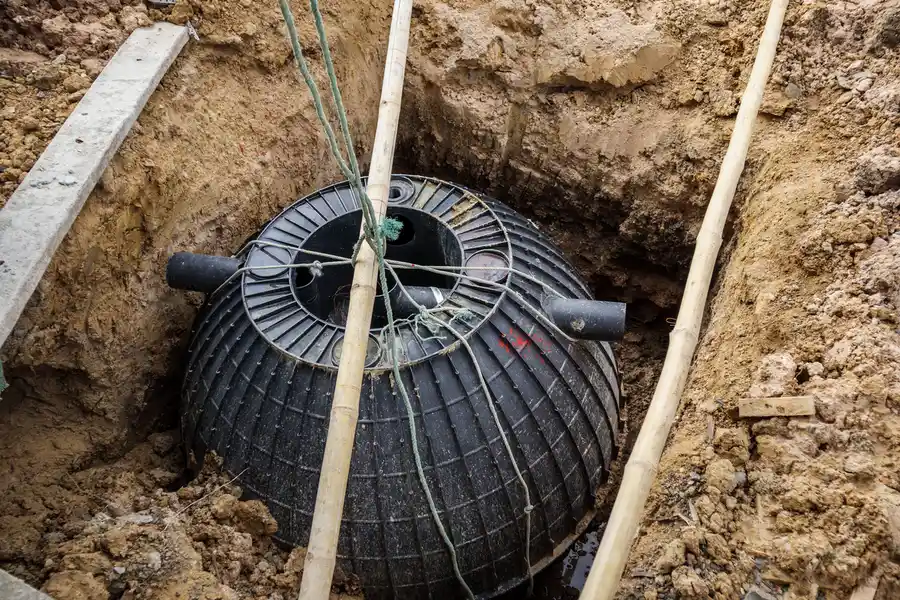
Different Soil Types and What They Mean
Not all soil is the same. Here is how common soil types affect septic system installation.
Sandy soil: Sand drains water very fast. That may sound good, but it can be a problem. Wastewater can move too quickly and not get filtered well. In this case, the system may need extra design features to slow down flow and clean the water better.
Clay soil: Clay drains very slowly. Water can sit in the ground for a long time. This may cause pooling, smells, and system overload. In clay-heavy areas, larger drain fields or raised systems are often needed.
Loamy soil: Loam is a mix of sand, silt, and clay. It usually drains at a steady rate. This type of soil is often ideal for septic system installation because it balances filtration and absorption.
Rocky soil: Rocky ground can make digging hard and may limit system depth. Large rocks can block trenches and pipes. Sometimes special equipment or design changes are needed.
Step-by-Step: How Soil Affects the Installation Process
Soil impacts almost every step of septic system installation. Here is how the process usually works.
- Perform soil and perc testing to measure drainage speed.
- Review local regulations based on soil results.
- Design a system that fits the soil type and property size.
- Choose the right drain field layout and depth.
- Excavate carefully based on ground conditions.
- Install tank, pipes, and drain field with proper spacing.
- Inspect and test the system before final approval.
If the soil drains too slow, the design may include a mound system. If it drains too fast, extra filtration layers might be added. Every detail connects back to what is under your feet.
Common Mistakes People Make
Many property owners assume all septic systems are the same. That is not true. Skipping soil evaluation or rushing the design is a major mistake.
- Not testing multiple areas of the property
- Ignoring seasonal water table changes
- Installing without proper permits
- Choosing the cheapest option without studying soil data
Another mistake is building driveways or heavy structures over the drain field. In soft or clay soil, this can cause serious compaction and system failure.
When to Call a Professional
Septic work is more than just digging a hole and placing a tank. Soil science, local codes, and proper layout all matter. If your land has high groundwater, heavy clay, or slopes, the design becomes even more detailed.
A trained expert can read soil reports and adjust septic system installation to match site conditions. They also understand how weather, rainfall, and long dry periods change how soil behaves. This knowledge helps protect your home and your investment.
If you are also planning other site improvements, such as grading or adding utilities in the same service category keyword, it makes sense to coordinate everything at once. This avoids disturbing the drain field later.
Final Thoughts and Local Help
If you are planning septic system installation in Tyler, TX, I can evaluate your soil and explain your options in plain language. At Marco Septic Service, I focus on doing the job right the first time based on your specific property conditions. Call (903) 920-4513 to talk with me directly and schedule a site visit.